
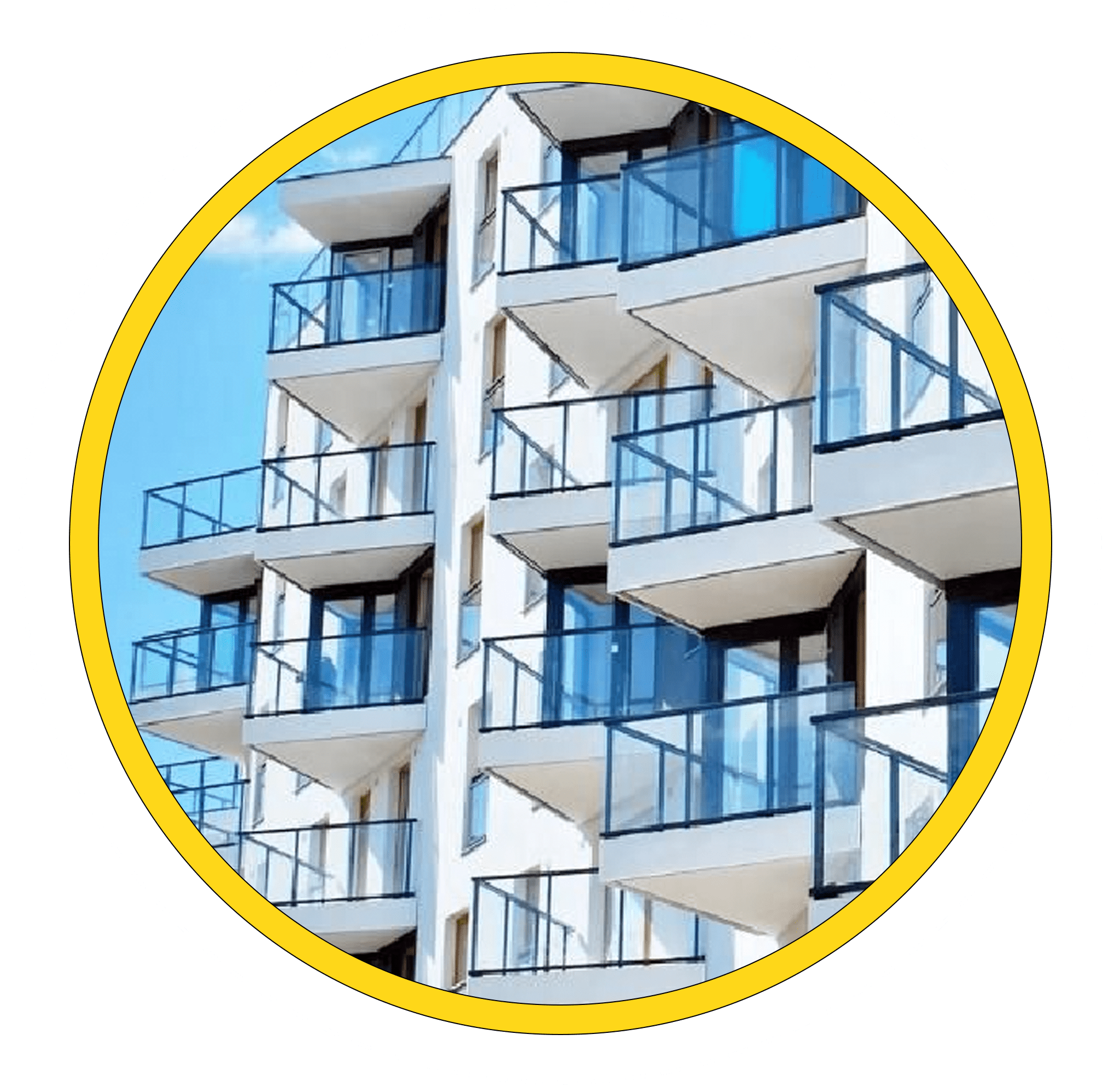
What would an extra $2.6M+ in accelerated tax savings do for your next commercial property investment? This month, we’re highlighting a dual project that yielded our client just that by combining two of the most powerful tax incentives available. By identifying a unique overlap between high-end construction and energy-efficient design, the CRS team used a dual-track strategy combining a cost segregation study with a 179D energy-efficient certification to achieve maximum returns for the client.
Overview
- Property: Luxury, four-story apartment complex in southern New Jersey
- Specs: 227,000 sq/ft | 144 units | 43 garages
- Depreciable costs: $26,430,000
- Key amenities:Community lounge with wet bar, fitness center, game room, private balconies/porches, outdoor patio and grilling station, bike and tenant storage rooms, EV charging station, dog park / wash station
- Key land improvements: landscaping, storm water management drainage, parking lot, exterior lighting and signage
- Energy-efficient materials: lighting, HVAC, and building envelope components
Track 1: Cost Segregation
Using our engineering-based approach, CRS identified and reclassified significant building costs into personal property and land improvements. Without this study, the assets would have depreciated over the standard 27.5-year recovery period for residential rental property.
The Result
Following IRS-preferred procedures, our analysis enabled the client to reclassify 24% of the property into shorter recovery periods, resulting in a first-year tax savings of over $2.5M.
24% Property Reclassification Benefits

Track 2: 179D Energy-Efficient Deduction
- Square Footage Considered: 227,000
- Additional Tax Savings: $157,520
Recognizing the sustainable materials in the build, CRS engineers also proactively recommended a 179D certification. This incentive provides a significant tax deduction for energy-efficient commercial building property placed in service during the taxable year.
The Result
CRS certified that all three eligible systems in the apartment building (lighting, HVAC and building envelope) met the IRS’ strict qualifications, securing an additional $157,520 in tax savings.

The Ultimate Test: The IRS Audit
Two years after completing our study and certification, our client was audited by the IRS. Thanks to the CRS team’s thorough analysis and documentation, our work was fully validated by the IRS without any changes. Read more details about our unique dual approach to saving our client millions in our cost segregation and 179D energy deduction case studies.
A Word about Timing: the Window to Act
If you’ve recently acquired or placed a property in service, the window to act matters. While cost segregation offers a generous look-back period (up to 15 years), energy incentives are more time sensitive:
- The June Deadline: Due to the One Big Beautiful Bill Act, the window for 179D benefits is scheduled to close in June 2026.
- Limited Retroactivity: Unlike cost segregation, 179D can only be applied retroactively back a few years. The good news? If you have an energy-efficient building that is a few years old—even if you’ve already completed a cost segregation study—a 179D certification can still be added to capture those missed tax benefits.
Expert Tip: Did you know you don’t need to amend past tax returns to claim a retroactive cost segregation study? Simply file a “Change in Accounting Method” form to capture those catch-up deductions in the current year.
How Can CRS Help?
The tax savings gained by this property owner are not unique to apartment buildings. While the advantages of a cost segregation study and 179D deduction vary depending on a property’s specific assets, land improvements and building materials, CRS is experienced in analyzing ALL property types, including office, retail, restaurants, hotels, auto dealerships, banks, warehouses, manufacturing, and other specialty facilities.
IRS rules are complex – all 179D certifications must be performed by an independent third party to be valid, and the IRS prefers the engineering-based methodologies followed by American Society of Cost Segregation Professionals providers like CRS to analyze and fully document their cost segregation studies.
As demonstrated above, our comprehensive approach and commitment to standing by our findings ensures no stone is left unturned when it comes to improving your cash flow.
Request your free benefits proposal to see how much our engineers can uncover for your portfolio and improve your return on investment.